







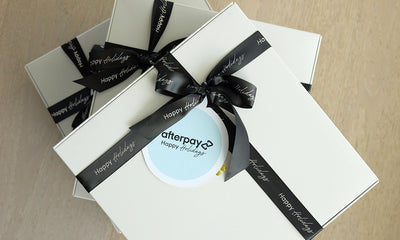


Organising a Secret Santa gift exchange for the office comes down to four decisions made in this order: set a budget, pick a draw method, lock a deadline, and publish two or three simple rules everyone can follow. Get those four things settled by early December 2026 and the exchange runs itself — most of the stress comes from ambiguity, not logistics.
- A workable office Secret Santa needs a budget, a draw method, a deadline and two rules — nothing more.
- Most Australian workplaces set a $20-$30 spend cap in 2026, though $50+ tiers work for smaller senior teams.
- Hybrid and remote staff need a shipping cut-off at least a week before the exchange date to avoid late arrivals.
- A named coordinator, not a group chat vote, keeps the draw and the deadline from falling apart.
Why this matters
A Secret Santa that drags on with unclear rules is worse than no Secret Santa at all — half the office ends up guessing budgets and the other half forgets to buy anything. Gift hampers for office Secret Santa exchanges work well as a fallback option precisely because they solve the problem that derails most office draws by mid-December: not knowing the person you drew well enough to buy for them.
The fix isn't more planning meetings. It's picking a simple structure once, writing it down, and sending it in one message.
How do you organise a Secret Santa gift exchange for the office?
- Set the budget first. A dollar cap removes the awkward guessing game and stops one person spending $80 while another spends $5.
- Pick a draw method. A hat draw works for under 15 people; a free draw app or spreadsheet-based randomiser works better once teams pass 20, especially with remote staff mixed in.
- Lock a deadline. Set the exchange for the last working day before the Christmas break so nobody is chasing a gift into the new year.
- Publish two or three rules. Cover the budget, whether gifts are wrapped and labelled or handed over anonymously, and whether the exchange is opt-in.
- Assign one coordinator. One person owns the draw, the reminders and the final headcount — spreading this across a group chat is where most office Secret Santas break down.
- Plan the reveal. Decide upfront whether gifts get opened one-by-one in a group setting or quietly at each desk, because that changes how loud or subtle a gift needs to be.
| Step | Owner | Typical timing |
|---|---|---|
| Set budget | Coordinator | Early December 2026 |
| Names drawn | Coordinator or app | 2-3 weeks before exchange |
| Gifts delivered or wrapped | Each participant | 3-5 days before |
| Exchange day | Whole team | Last work day before break |
Secret Santa under $20: what to buy
A sub-$20 cap works best for large teams of 20 or more where the goal is a light, fun gesture rather than a considered present. Keep it simple: a small chocolate box, a novelty item or a shared treat travels well and doesn't pressure the giver to know the recipient's tastes. Verdict: best for large teams and first-time Secret Santa runs — keep it cheap and cheerful.
$20-$30 office Secret Santa: the standard tier
This is the most common range for Australian workplaces running Secret Santa in 2026. It's enough to buy something with a bit of thought behind it without turning the exchange into a real gift-giving obligation. A socks and chocs gift box sits comfortably in this bracket and works for almost anyone on a team, which matters when you've drawn a colleague you barely know. Verdict: best default choice for mixed teams of 10-30 people.
$50+ premium office Secret Santa: for smaller or senior teams
Smaller teams — leadership groups, tight-knit departments of 5-10 people — sometimes lift the cap because everyone already knows each other well enough to buy something more considered. At this tier, gifts start looking more like genuine appreciation than a novelty exchange. Verdict: best for small, established teams who want the exchange to feel more personal.
Why office Secret Santa budgets vary
- Team size — larger groups keep budgets low because the total spend across 30-plus people adds up fast.
- Company sponsorship — some workplaces cover part of the cost or supply a communal hamper alongside individual gifts.
- Remote and hybrid staff — shipping costs and delivery timing push some teams toward a slightly higher budget to cover postage.
- Whether it replaces a work Christmas party gift — teams that skip a group gift sometimes lift the Secret Santa cap to compensate.
- Dietary or cultural considerations — gluten-free, vegan or alcohol-free options shift what fits inside a set budget.
- How formal the reveal is — a public unwrapping session tends to nudge budgets up compared with a quiet desk-drop exchange.
Sorted for Secret Santa gifts
Browse ready-to-send chocolate gift boxes that suit almost any office draw.
How many people do you need for Secret Santa to work?
Secret Santa works with as few as four people, though most offices run it with entire teams or departments of 10-30. Below four, the draw is too predictable to stay anonymous — everyone can guess who has whom within a day.
What's a good Secret Santa gift for someone you don't know well?
A safe, broadly appealing gift beats a highly personal one when you've drawn a colleague you barely interact with. A shared treat like a nutty brownie box works because it doesn't require guessing hobbies, sizes or preferences — it just needs to be something most people enjoy.
Should office Secret Santa be optional?
Secret Santa should always be opt-in, not mandatory. Forcing participation is the fastest way to generate resentment around what's meant to be a low-stakes, fun exchange. Publish the option clearly and let people opt out without explaining why.
FAQ
How much should office Secret Santa cost per person?
Most Australian offices set a $20-$30 budget per person in 2026, though large teams often cap it under $20 and small senior teams sometimes lift it past $50.
How do you draw names fairly for Secret Santa?
A hat draw works for teams under 15 people, while a randomiser app or shared spreadsheet handles larger or hybrid teams more reliably and keeps the draw anonymous.
What date should office Secret Santa exchanges happen?
Most workplaces run the exchange on the last working day before the Christmas break, giving everyone a clear, shared deadline to work toward.
Is Secret Santa the same as Kris Kringle?
Yes, Secret Santa and Kris Kringle describe the same anonymous gift-draw tradition in Australian workplaces, just under different regional names.
Should remote staff be included in office Secret Santa?
Yes, but set a delivery cut-off at least a week before the exchange date so shipped gifts arrive on time alongside desk-dropped ones.
What happens if someone does not want to participate?
Let them opt out without pressure. Mandatory participation is the main reason office Secret Santa exchanges lose goodwill over time.
Can you do Secret Santa with a group gift instead of individual ones?
Some teams replace individual Secret Santa gifts with one shared hamper for the whole office, which works well for very large or budget-conscious teams.
How do you keep Secret Santa gifts anonymous until the reveal?
Label gifts with a number or nickname instead of a name, and have the coordinator match numbers to people only at the reveal.
One last thing
The detail that trips up more office Secret Santa exchanges than the budget or the draw method is the gift tag — a wrapped gift with no name or number attached is a mystery nobody can act on. Write the recipient's name or draw number clearly on every gift before it goes anywhere near the office, and if you're mailing anything in, write the gift card message before it ships, not after. Edible Blooms builds most of its gift boxes to be sent directly, which is why remote-heavy teams lean on ready-to-post options in December 2026 rather than routing everything through one office address.


